First Aid Awareness Training: Essential Life-Saving Skills Everyone Should Know in an Emergency
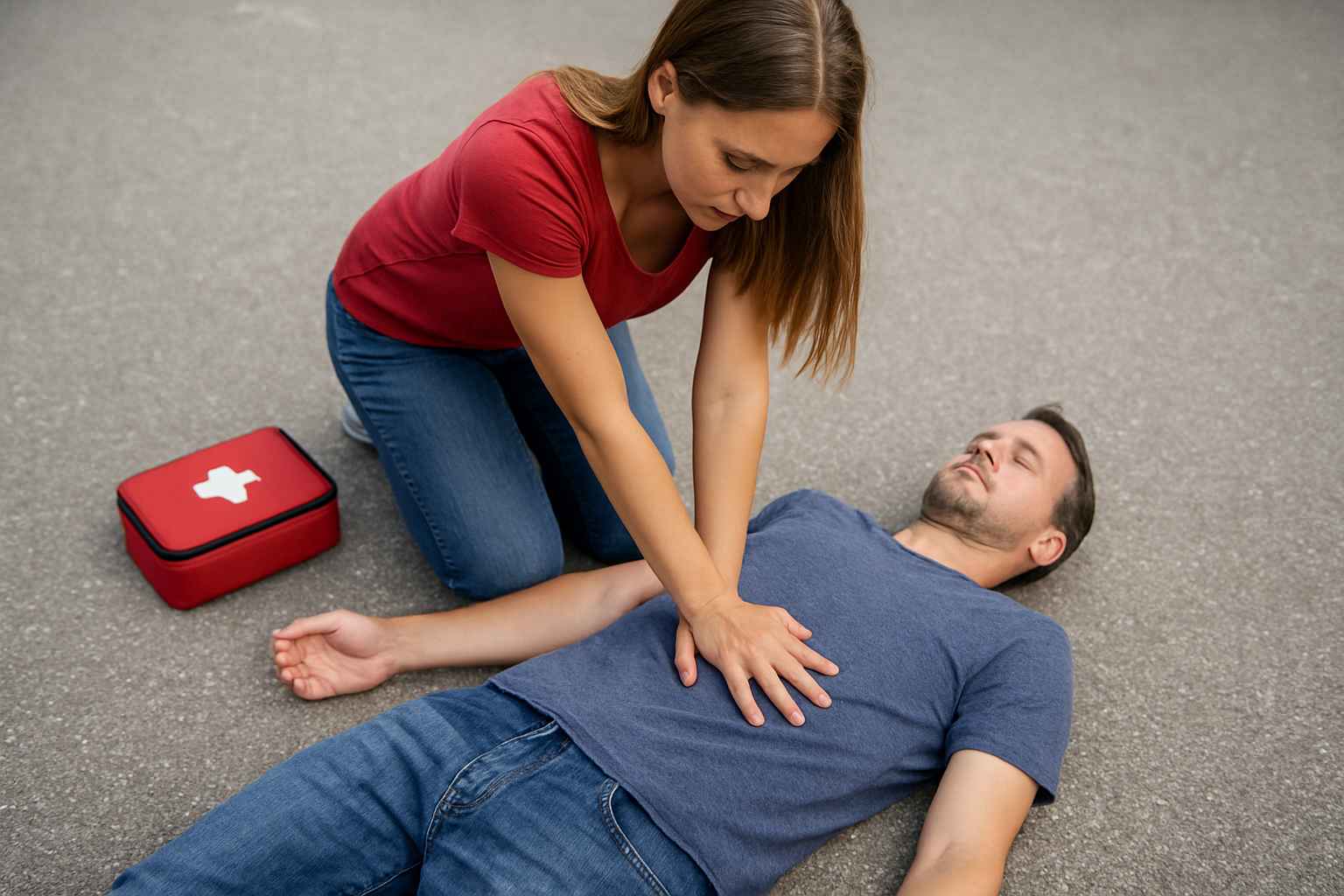
Emergencies can happen at any moment, and often without warning. Having the ability to respond confidently and effectively can make a significant difference in the outcome. First Aid Awareness Training provides individuals with the essential knowledge and life-saving skills needed to act quickly when someone becomes injured, unwell or unconscious. This training ensures that people are prepared to manage urgent situations before professional help arrives, improving safety at home, in public and across workplaces.
Why Life-Saving Knowledge Matters
Many people witness medical incidents but feel unsure about how to respond. This hesitation often comes from a lack of training and fear of making the situation worse. Understanding fundamental first aid principles removes this uncertainty. With the right skills, individuals can assess the situation, keep the injured person safe and carry out critical actions such as supporting breathing, controlling bleeding or positioning someone who is unconscious. Even simple steps can reduce complications and significantly improve outcomes.
Responding Effectively in Real Emergencies
During the first few minutes of an emergency, every second counts. Knowing what to do can prevent injuries from becoming more severe. First aid training teaches individuals how to remain calm, think clearly and follow a logical process in stressful situations. Skills such as CPR, choking response techniques, burn care and managing fractures are taught in a practical, easy-to-understand way. These abilities are vital not only in major incidents but also in everyday situations at home, outdoors and at work.
Essential Skills Taught in First Aid Training
A well-structured first aid course covers a wide range of crucial emergency care techniques. CPR is one of the most important skills, as it helps maintain oxygen flow to the brain and vital organs during cardiac arrest. Participants also learn how to respond when someone is choking, which is especially useful in households with children or elderly individuals. Training includes managing bleeding, burns, shock, fainting and minor injuries, along with understanding how to support someone who is unresponsive but still breathing. These skills help individuals stay prepared for various real-life situations.
Improving Safety and Confidence in the Workplace
Workplaces benefit greatly when employees are trained in first aid. Accidents can occur even in low-risk environments, and immediate action can prevent incidents from escalating. Employees trained in emergency care help create a safer work culture, reduce the severity of injuries and support compliance with safety regulations. Businesses across industries such as retail, healthcare, hospitality, construction and education now recognise the importance of equipping their teams with essential emergency skills. This investment enhances staff wellbeing and helps organisations respond more effectively during unexpected incidents.
Supporting Families and Communities
First aid knowledge is equally valuable at home and in community settings. Children often experience injuries such as falls, burns or choking, and knowing how to react quickly can prevent long-term harm. Many households include elderly relatives who may be more vulnerable to health incidents such as fainting, breathing difficulties or sudden illness. Being trained in emergency care means individuals can provide support while waiting for an ambulance, ensuring loved ones receive help faster and more confidently.
Building Confidence Through Emergency Preparedness
Confidence is one of the greatest benefits of first aid training. Many people feel anxious when facing a medical situation because they are unsure what to do. With proper training, this anxiety decreases and is replaced with clarity and preparedness. Learners understand the correct steps to take, how to assess the environment and how to prioritise care. This readiness encourages quick and purposeful action, which is crucial during emergencies.
Why Everyone Should Consider Training
Emergency situations do not discriminate — they can happen to anyone, anywhere and at any time. Learning basic skills such as CPR, wound care and how to respond to severe medical episodes can save lives. First aid training is simple, accessible and beneficial for people of all ages and backgrounds. It equips learners with practical knowledge that can be used in homes, workplaces, schools and communities. Gaining these skills is not just a personal asset; it is a contribution to public safety.
Where to Learn These Essential Skills
There are various ways to access first aid awareness training, including online courses and in-person workshops. CPD-accredited programmes provide structured guidance, step-by-step instructions and real-life examples to help learners understand emergency responses clearly. Whether you are new to first aid or looking to refresh your knowledge, completing a course ensures you are prepared to act in urgent situations with confidence and competence.