Meeting CQC Training Requirements in Care Homes
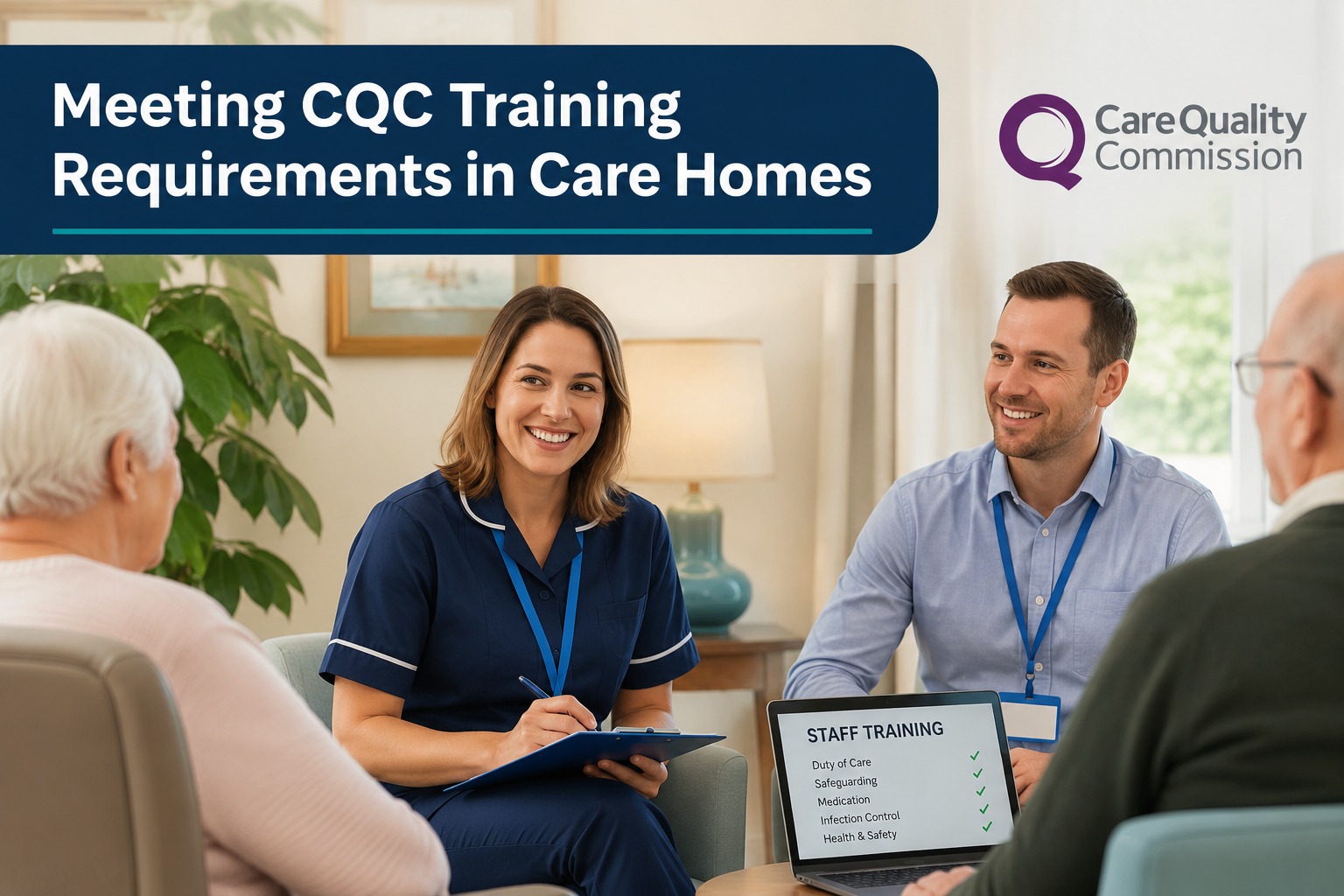
The quality of care delivered in residential and nursing homes depends heavily on the knowledge, competence, and confidence of care staff. This is why staff development remains a key focus during inspections conducted by the Care Quality Commission (CQC). While the CQC does not prescribe a fixed list of mandatory courses, it expects providers to ensure employees receive appropriate training, supervision, and support to perform their roles effectively. Understanding and meeting CQC training requirements for care homes is therefore essential for maintaining compliance, protecting residents, and promoting high standards of care.
Why Training Matters for CQC Compliance
Training is more than a regulatory requirement; it is the foundation of safe and person-centred care. Care home providers must demonstrate that staff possess the necessary skills and knowledge to meet residents' needs while managing risks effectively. During inspections, CQC inspectors often review training records, staff competency assessments, supervision notes, and evidence of continuous professional development.
A well-trained workforce contributes to improved resident outcomes, safer working practices, and stronger organisational performance. When employees understand their responsibilities and remain updated on current legislation and best practices, care homes are better positioned to meet the CQC's expectations across its key assessment areas: Safe, Effective, Caring, Responsive, and Well-Led.
Understanding CQC Expectations for Staff Training
The CQC places significant emphasis on Regulation 18 of the Health and Social Care Act, which states that staff must receive suitable training, professional development, supervision, and appraisal. This means providers should establish structured training programmes that support both mandatory learning and role-specific development.
Rather than adopting a one-size-fits-all approach, care homes should assess individual training needs based on staff responsibilities, resident requirements, and organisational risks. A comprehensive training strategy helps providers demonstrate a proactive commitment to quality improvement and regulatory compliance.
Essential Training Areas for Care Home Staff
Although training requirements may vary between organisations, several subjects are widely recognised as essential within the health and social care sector. These include:
- Safeguarding Adults Training
- Health and Safety Training
- Infection Prevention and Control
- Fire Safety Awareness
- Moving and Handling Training
- Medication Administration Training
- Dementia Awareness
- Mental Capacity Act (MCA) and DoLS
- Equality, Diversity and Inclusion
- First Aid Awareness Training
These core subjects help staff provide safe, effective, and compassionate care while supporting compliance with regulatory standards.
The Role of Online Training in Meeting CQC Requirements
The growing adoption of digital learning has transformed staff development across the care sector. Many providers now utilise online health and social care training courses to deliver consistent, accessible, and cost-effective learning opportunities.
Online learning allows care workers to complete training at a convenient pace while ensuring organisations can maintain accurate records of course completion and certification. Digital platforms also simplify refresher training management, helping care homes avoid gaps in compliance.
For example, providers may support their workforce through courses such as Online First Aid Awareness Training and Moving and Handling Training for Carers, which can contribute to staff competency and ongoing professional development. These courses can also serve as valuable internal linking opportunities within a broader care training resource hub.
Benefits of Maintaining a Strong Training Programme
A robust training framework delivers benefits that extend beyond compliance. Care homes that prioritise workforce development often experience improved staff engagement, enhanced resident satisfaction, and reduced operational risks.
Key advantages include:
- Better preparedness for CQC inspections
- Improved resident safety and wellbeing
- Increased staff confidence and competence
- Stronger evidence of continuous improvement
- Enhanced reputation among residents and families
Preparing for a CQC Inspection
One of the most effective ways to prepare for a CQC inspection is by maintaining accurate and up-to-date training records. Inspectors may request evidence showing that staff have completed relevant courses and received appropriate support to fulfil their duties.
Care home managers should regularly review training matrices, monitor certificate expiry dates, and schedule refresher courses where necessary. Competency assessments should also be conducted to ensure learning outcomes are being applied effectively in practice.
Common Training Compliance Mistakes to Avoid
Many providers invest in staff training but overlook the systems required to demonstrate compliance. Common issues include incomplete training records, expired certificates, inconsistent refresher schedules, and a lack of documented competency assessments.
By implementing a structured learning and development plan, care homes can minimise these risks and provide clear evidence that training remains an ongoing organisational priority.
Creating a Culture of Continuous Learning
Meeting CQC training requirements in care homes should not be viewed as a one-time exercise. The most successful providers cultivate a culture where learning and improvement are embedded into daily practice. Continuous professional development helps staff adapt to evolving regulations, emerging care challenges, and changing resident needs.
Investing in ongoing education also demonstrates leadership commitment to quality care. Whether through classroom sessions, practical workshops, or online care training courses, continuous learning strengthens workforce capability and contributes to better outcomes for residents.
Conclusion
Meeting CQC training requirements for care homes is essential for delivering safe, effective, and person-centred care. While compliance remains a key driver, the true value of training lies in empowering staff to provide high-quality support that enhances residents' quality of life. By maintaining comprehensive training programmes, monitoring competency, and embracing flexible learning solutions such as Online First Aid Awareness Training and Moving and Handling Training for Carers, care providers can build a skilled workforce that is fully prepared to meet both regulatory expectations and the evolving needs of those they care for.