What Is Moving and Handling Training?
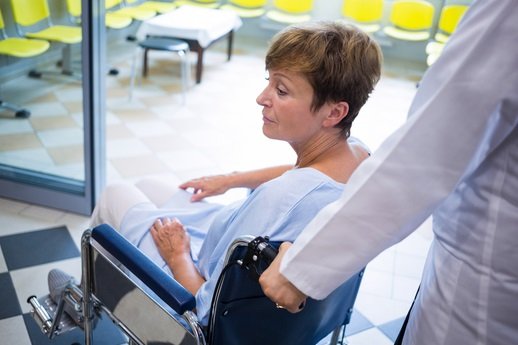
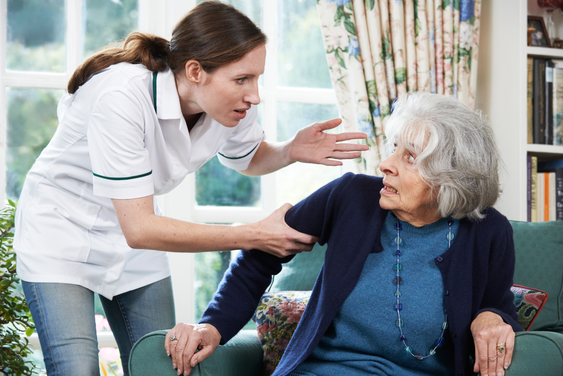
Moving and handling training teaches employees how to recognise, assess and reduce risks when moving people, equipment or other loads. In care settings, this can include helping someone change position, stand, walk or transfer between a bed, chair, wheelchair or toilet.
Unlike handling an object, moving a person involves individual needs, abilities and preferences. Staff must consider the person’s mobility, pain, health condition, ability to bear weight, communication needs and level of participation. Every activity should protect the person’s safety, comfort, privacy, dignity and independence.
This online moving and handling course explains how to follow risk assessments, care plans, workplace procedures and manufacturers’ instructions. It also helps learners recognise when conditions have changed and when an activity should be stopped and escalated.
Moving and Handling Course Modules
- Introduction to Moving and Handling
- UK Legislation and Workplace Responsibilities
- Musculoskeletal Injuries and Safer Movement
- Moving and Handling Risk Assessment Using TILEO
- Person-Centred Care, Consent and Dignity
- Supporting Mobility, Repositioning and Transfers
- Moving People and Handling Objects Safely
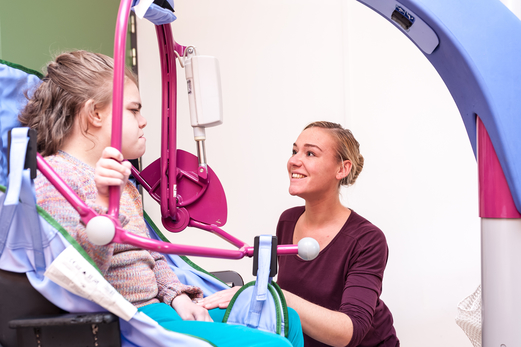
- Hoists, Slings and Other Handling Equipment
- MHRA 2026 Hoist and Sling Safety Update
- Equipment Inspection, Maintenance and LOLER
- Responding to Falls, Incidents and Unsafe Equipment
- Reporting Concerns and Reviewing Care Plans
Why Is Moving and Handling Training Important?
Poor moving and handling practice can cause back pain, musculoskeletal disorders, falls and serious injuries. It can harm care workers and the people they support while causing discomfort, anxiety or loss of dignity.
The HSE’s moving and handling guidance requires employers to avoid hazardous handling where reasonably practicable, assess tasks that cannot be avoided and introduce measures to reduce the remaining risks. These measures can include safer working procedures, suitable staffing, appropriate equipment, training and supervision.
The MHRA patient-hoist safety alert, issued on 16 September 2026, highlighted continuing deaths and serious injuries involving hoists and slings. The course therefore covers equipment compatibility, correct sling selection, pre-use inspections and the pause-and-check procedure before a person is fully lifted.
Equipment used to lift people must also be maintained and thoroughly examined under applicable LOLER requirements. Pre-use checks do not replace servicing, planned maintenance or statutory examination.
Course Objectives
This manual handling training for care workers aims to develop learners’ understanding of safer, person-centred practice. It explains how to identify hazards, consider the person’s needs, select appropriate control measures and recognise unsafe equipment or working conditions.
The principal objectives are to:
- Improve awareness of moving and handling risks.
- Explain relevant UK legal responsibilities.
- Promote person-centred assessment and care planning.
- Strengthen hoist and sling safety knowledge.
- Encourage early reporting of concerns and defects.
Moving and Handling Learning Outcomes
After completing this course, learners should be able to:
- Explain key moving and handling responsibilities.
- Identify common hazards and causes of injury.
- Apply the TILEO risk-assessment framework.
- Describe person-centred handling principles.
- Recognise commonly used handling equipment.
- Explain hoist and sling pre-use checks.
- Describe the MHRA pause-and-check procedure.
- Know when to stop and report concerns.
Who Is This Course For?
This moving and handling people training course is suitable for employees who assist people with mobility or undertake handling activities in health and social care environments.
It is particularly relevant for:
- Care workers and care assistants
- Healthcare assistants and support workers
- Nurses and nursing associates
- Domiciliary and community care staff
- Residential and nursing-home employees
- Personal assistants and agency workers
- Hospital, clinic and primary-care staff
- Porters and ancillary employees
- Supervisors, managers and care coordinators
Assessment and CPD Certificate
Learners complete an online knowledge assessment after studying the course. Successful learners receive a CPD-accredited Moving and Handling certificate, which can support staff training and professional-development records.
Important Practical Training Requirement
This online course provides underpinning knowledge but does not, by itself, demonstrate practical competence. Employees who move people, fit slings or operate hoists must also receive equipment-specific practical instruction, supervision and workplace competency assessment from a suitably competent person.
Competence should be reviewed when equipment, working conditions or a person’s needs change and following an incident, near miss or performance concern.
Start Your Moving and Handling Training Online
Complete your online moving and handling training at your own pace and strengthen the knowledge needed to recognise risks, protect dignity and support safer care throughout UK health and social care settings.
Moving and Handling - Frequently Asked Questions
This course is ideal for care staff, support workers, healthcare assistants, and anyone required to assist with manual handling in care or workplace settings.
Yes. This course is CPD accredited, and you will receive a certificate upon successful completion.
Yes. The Moving and Handling training aligns with CITB-recommended health and safety standards, helping meet workplace competency requirements.
Most learners complete this training in approximately 2–4 hours, but you can study at your own pace.
You can retake the assessment up to 30 times at no extra cost, allowing you to review the material and improve your score.
You’ll learn safe lifting techniques, risk assessment fundamentals, how to reduce injury, and best practice procedures for both individual and assisted movement situations.
Yes. The CPD accreditation adds value to your training record and demonstrates commitment to safe practice and ongoing development.
Yes. Trained staff with up-to-date moving and handling knowledge support safer care environments and help demonstrate compliance during CQC or health and safety inspections.