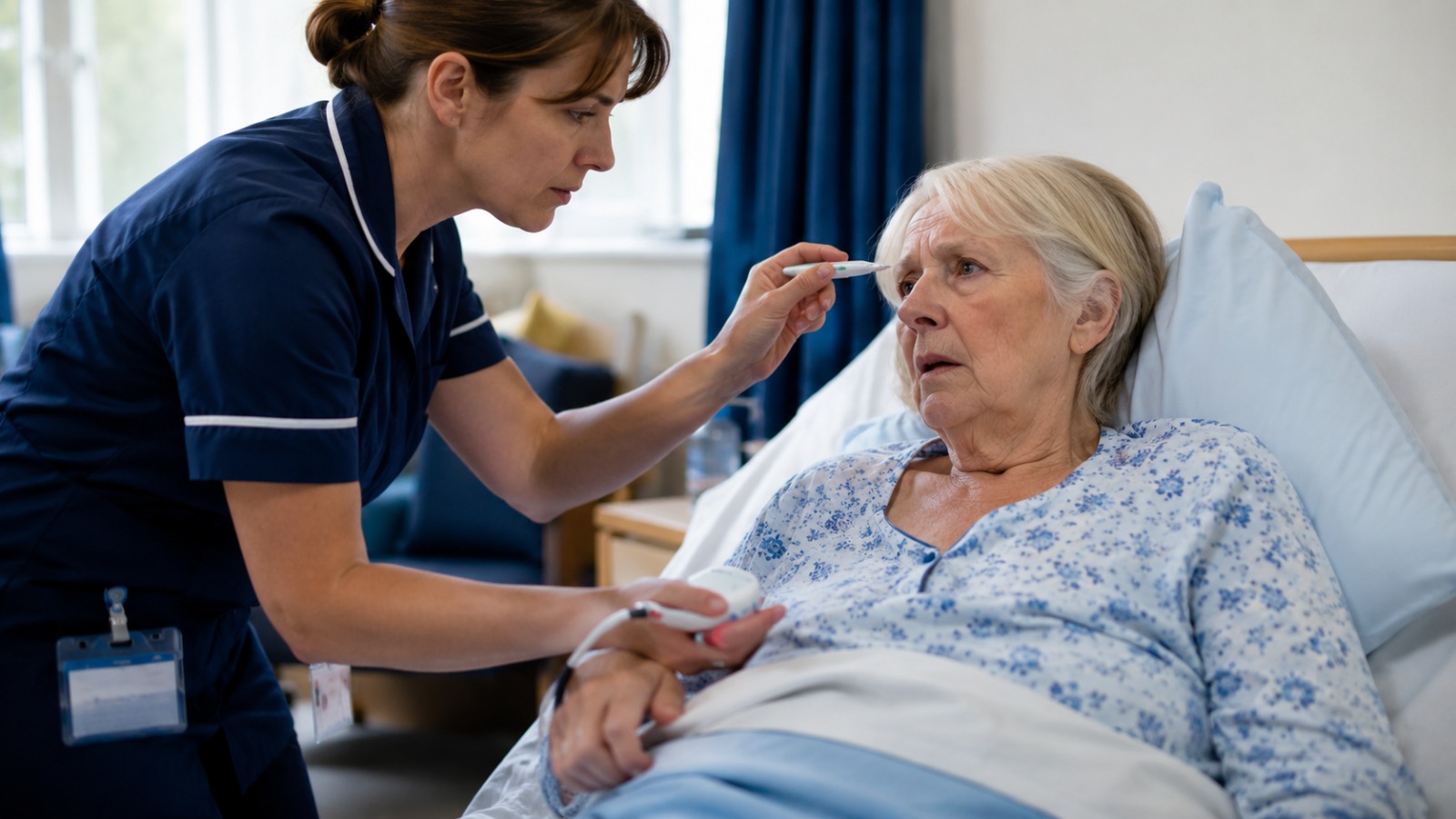
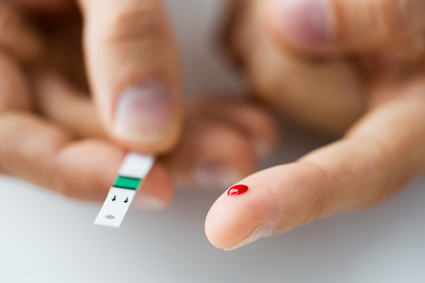
Sepsis is a life-threatening reaction to infection that can develop quickly and requires urgent hospital treatment. NHS guidance highlights symptoms such as confusion or slurred speech, uncontrollable shivering, muscle pain, difficulty breathing, changes in skin colour, high or low temperature and reduced urine output. This online sepsis training helps staff understand why early recognition and escalation matter.
What Does the Sepsis Awareness Course Cover?
The course combines clear explanations, realistic care scenarios and practical decision-making. Topics include:
- What sepsis is and how it develops
- Common sources of infection, including chest, urinary, wound and abdominal infections
- People at increased risk of sepsis
- Soft signs of deterioration and adult sepsis warning signs
- Sepsis symptoms in babies and children
- When to seek urgent clinical help or call 999
- Safe escalation, documentation and clinical handover
- Hospital treatment and the Sepsis Six awareness concept
- Septic shock and organ dysfunction
- Infection prevention, antimicrobial stewardship and recovery after sepsis
The course also explains that care staff are not expected to diagnose sepsis. Their role is to recognise concerning changes, escalate promptly, follow local procedures and communicate clearly.
Sepsis Awareness Learning Objectives
After completing this Sepsis Awareness training, learners should be able to:
- Explain why sepsis is a medical emergency.
- Recognise common signs of sepsis and red flags.
- Identify important sepsis risk factors and infection sources.
- Describe appropriate escalation and emergency actions.
- Give a clear handover using relevant observations and background information.
- Understand the importance of infection prevention and person-centred recovery support.
Who Is This Sepsis Training For?
This Sepsis Awareness training is suitable for people working across healthcare, social care, emergency response, education and community support roles where recognising deterioration and responding appropriately to possible sepsis may be important.
- Health and clinical professionals – including nurses, healthcare assistants and other clinical staff who need to recognise possible sepsis symptoms and escalate concerns appropriately.
- Care workers and support teams – including care-home staff, domiciliary carers, support workers and senior carers supporting people who may be vulnerable to infection and deterioration.
- Healthcare trainers and learning professionals – educators, assessors and trainers delivering health, social care or workplace safety learning.
- Emergency and front-line response staff – personnel who may encounter people showing serious signs of infection or suspected sepsis.
- Hospital management and patient-safety teams – managers, supervisors, governance staff and quality-improvement teams supporting safe recognition and escalation processes.
- Community care and outreach teams – community health workers, outreach staff and volunteers supporting vulnerable people outside hospital settings.
- Supported living and residential care staff – teams responsible for monitoring residents and recognising sudden changes from a person’s normal condition.
- Health and social care students – learners building knowledge of sepsis awareness, infection-related deterioration, emergency escalation and person-centred support.
This online sepsis course can support induction, refresher training and continuing professional development where recognising infection, deterioration and possible sepsis is relevant to the learner’s responsibilities.
UK Guidance and Good Practice
The content is informed by current NHS advice and NICE sepsis guidance. NICE provides separate guidance for adults aged 16 and over, under-16s, and people who are pregnant or recently pregnant. Learners should always follow their organisation’s policies, individual care plans, escalation pathways and current clinical guidance.
Sepsis Awareness - Frequently Asked Questions
Sepsis is a life-threatening reaction to infection in which the body’s response can damage its own tissues and organs.
Possible signs include confusion, slurred speech, severe breathlessness, shivering, muscle pain, reduced urine output and mottled or discoloured skin.
Yes. A person with sepsis may have a high temperature, a low temperature or no obvious fever.
Call 999 when someone has emergency sepsis symptoms, is critically unwell or is deteriorating rapidly. Follow local emergency procedures.
Higher-risk groups include older adults, babies, pregnant or recently pregnant people, and people with weakened immunity, long-term conditions, wounds or invasive devices.
Sepsis may develop from infections affecting the lungs, urinary tract, skin, wounds, abdomen, bloodstream or other parts of the body.
There is no single universal rule requiring every care worker to take a standalone sepsis course. Employers should provide training appropriate to staff roles, risks and responsibilities.
No. It teaches sepsis awareness, early recognition, escalation and safe response. Diagnosis and clinical treatment must be carried out by appropriately qualified healthcare professionals.