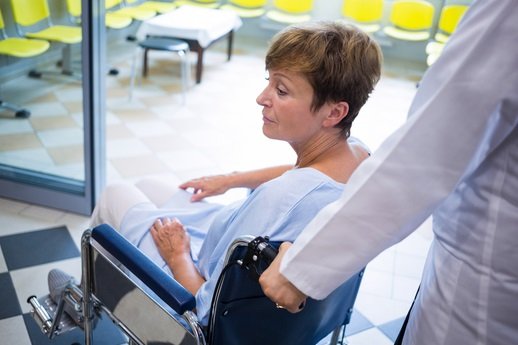
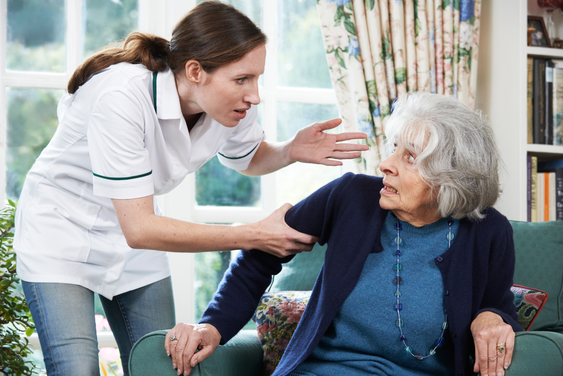
This online falls prevention course explains how health conditions, medicines, mobility, behaviour and environmental hazards can combine to increase risk. Learners will explore person-centred prevention, safe responses after a fall and effective reporting. The course supports safer practice in care homes, hospitals, supported living and community care without unnecessarily restricting a person’s independence.
Modules Covered
- Understanding falls and their consequences
- Common causes and risk factors
- Age-related and health-related risks
- Medicines and falls risk
- Environmental hazards
- Person-centred falls risk assessment
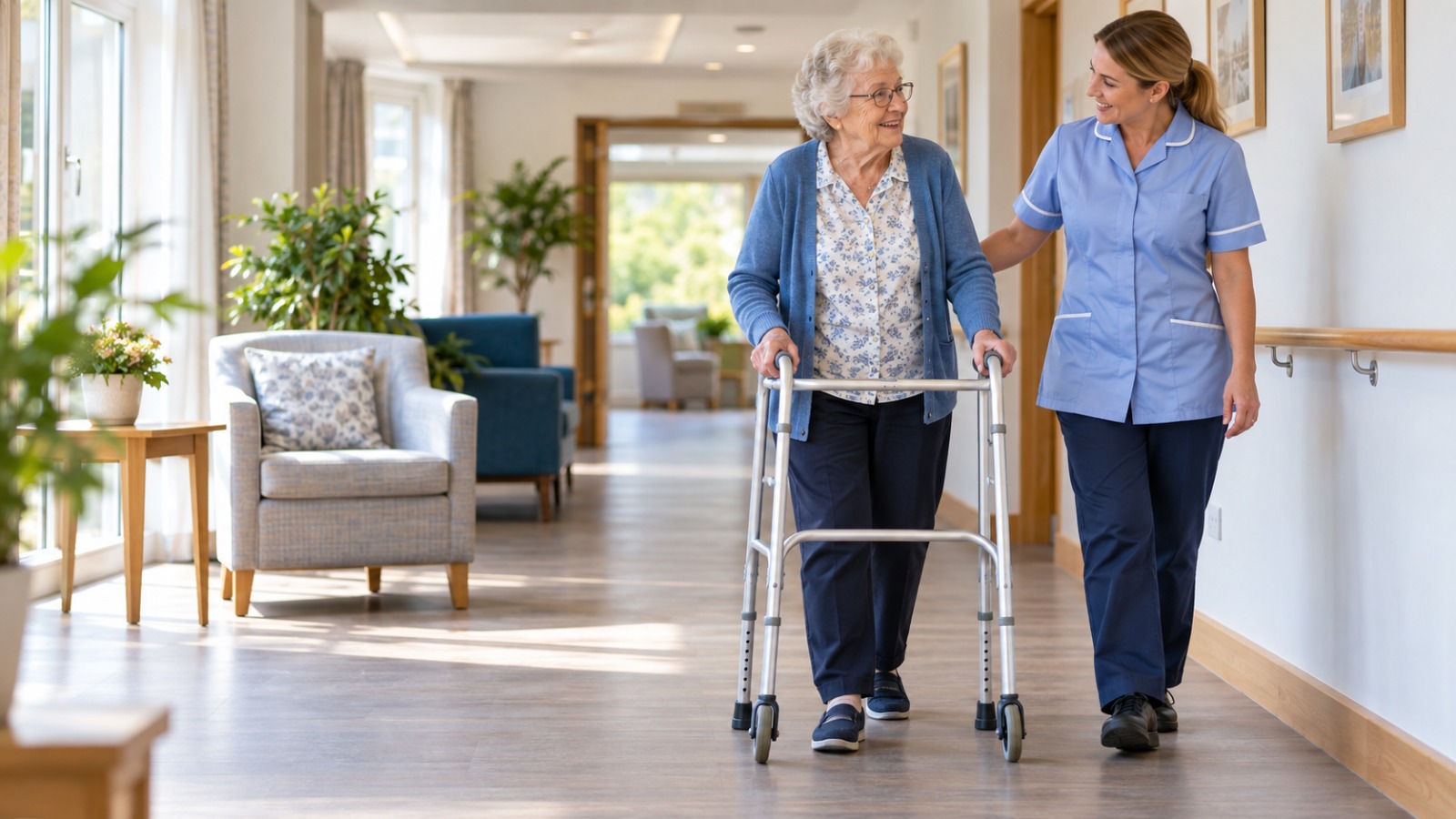
- Mobility, footwear and assistive equipment
- Strength, balance, hydration and nutrition
- Falls prevention care planning
- Responding safely after a fall
- Recording, reporting and learning from incidents
- UK legislation, guidance and professional responsibilities
Course Objectives
The objective of this falls prevention awareness training is to help learners understand why falls occur and how everyday care decisions can reduce avoidable harm. It develops awareness of physical, medical, behavioural and environmental risks while reinforcing dignity, consent, choice and proportionate risk management.
The course also helps staff understand their professional boundaries. Learners are taught when to act, when to seek assistance and when concerns must be escalated to a manager, nurse, falls team, GP or emergency service.
Learning Outcomes
After completing the course, learners should be able to explain what a fall is and recognise factors that may increase a person’s risk. They should be able to identify common hazards, contribute to falls risk assessment, follow person-specific care plans and support agreed prevention measures.
Learners should also understand how to respond calmly following a fall, check for immediate danger, avoid unsafe movement and obtain appropriate assistance. They will recognise the importance of accurate documentation, timely escalation, incident review and communicating changes to relevant professionals.
Why Is Falls Prevention Important in Care?
Falls are not always caused by one obvious hazard. Risk may arise from muscle weakness, poor balance, impaired vision, continence needs, cognitive impairment, pain, unsuitable footwear, dehydration, infection, postural hypotension or medicine side effects. Wet floors, poor lighting, clutter, damaged surfaces and incorrectly used equipment can add further risk.
Effective falls prevention in care homes therefore requires more than removing trip hazards. Staff must observe the person, listen to their concerns, recognise changes and follow the agreed care plan. Prevention should support safe activity and confidence instead of automatically limiting movement.
Person-Centred Falls Risk Assessment
A person-centred approach considers the individual’s health, abilities, routines, environment and preferences. Staff should work within their role, record relevant observations and share concerns with the appropriate professional. Formal multifactorial assessment and clinical decisions must be completed by suitably competent practitioners.
Preventive actions may include reviewing medicines, improving lighting, removing hazards, checking footwear, supporting safe mobility, providing correctly assessed equipment and arranging strength or balance support. Measures should be regularly reviewed, especially after a fall or significant change in health.
UK Compliance and Good Practice
The course reflects NICE guidance on assessing and preventing falls in older people and people aged 50 to 64 who may be at higher risk. It also supports HSE guidance on sensible, proportionate risk assessment and reducing slips and trips in health and social care.
In England, CQC Regulation 12 requires providers to assess risks and take reasonable steps to prevent avoidable harm. Good practice also supports the Health and Safety at Work etc. Act 1974, the Management of Health and Safety at Work Regulations 1999, the Care Act 2014 and the Mental Capacity Act 2005. Services in Scotland, Wales and Northern Ireland should follow the requirements of their national regulator and local policies.
Who Should Take This Course?
This falls prevention training for care workers is suitable for care assistants, support workers, healthcare assistants, nurses, domiciliary care staff, residential care teams, rehabilitation workers, activities staff and anyone supporting people who may be at risk of falling.
It is particularly useful for care homes, nursing homes, hospitals, supported living services, home-care providers and community organisations.
Benefits of Falls Prevention Training
Completing this training helps staff recognise risks earlier, communicate concerns confidently and provide safer, more consistent support. It can also strengthen incident reporting, care planning, teamwork and organisational learning while promoting independence and quality of life.
Important Practice Note
This awareness course supports knowledge development but does not replace person-specific assessment, practical moving and handling instruction, professional judgement, local policies or role-specific competency assessment. Staff must always work within their training and seek urgent assistance when injury or immediate danger is suspected.
Falls Prevention Awareness - Frequently Asked Questions
Falls Prevention Awareness training teaches care staff to identify fall risks, prevent avoidable falls and respond safely when an incident occurs.
This online falls prevention course is suitable for care workers, support workers, healthcare assistants, nurses and domiciliary care staff.
UK law does not specify a course with this exact title, but employers must provide suitable training to manage risks and deliver safe care.
Common falls risk factors include poor balance, muscle weakness, medicines, impaired vision, unsuitable footwear, clutter and wet floors.
Care workers can remove hazards, support safe mobility, follow care plans and report changes that may increase a person’s risk of falling.
Keep the person safe, check for injuries, seek appropriate help and follow the organization's post-fall reporting procedure.
Yes. The course explains common hazards and how staff contribute to a falls risk assessment while working within their role and competence.