This practical online course explains how to identify and build on a person’s strengths, abilities, relationships, resources and personal goals rather than focusing only on their needs or limitations. A strengths-based approach can help people maintain greater choice, independence, dignity, wellbeing and control over their lives. Learners will explore how strengths-based practice can be applied during everyday care, assessments, care planning, reablement, communication and recovery-focused support.
This online reablement training course helps learners understand person-centred goal setting, positive risk-taking, independence, mobility, daily living skills, communication, dignity and safe support within their professional role.
A strengths-based approach to care focuses on what a person can do, what matters to them and what resources are already available around them.
Rather than asking only, “What support does this person need?”, strengths-based practice also considers:
This approach supports more personalised and empowering care while encouraging individuals to participate actively in decisions about their own support.
The course provides learners with a practical understanding of strengths-based care training and how it can be used within UK health and social care settings.
By completing this online training, learners should be able to:
Strengths-based working is particularly relevant within adult social care because it supports principles found within important UK care legislation and professional practice.
The Care Act 2014 places significant emphasis on individual wellbeing, prevention, independence and involving people in decisions about their care and support.
A strengths-based assessment should therefore look beyond difficulties and consider the person’s abilities, relationships, community connections and potential for achieving positive outcomes.
Learners will also explore the importance of supporting people to make their own decisions wherever possible in line with the principles of the Mental Capacity Act 2005.
Strengths-based practice does not remove professional responsibility, safeguarding duties or risk assessment. Instead, it aims to balance safety, choice, dignity and independence.
A good strengths-based assessment begins with meaningful conversation.
Care professionals should listen carefully to what matters to the individual, understand their routines, recognise existing coping strategies and identify personal or community resources that may help.
Useful questions may include:
These questions can help create more meaningful care and support plans based on achievable outcomes.
Strengths-based care is closely connected with reablement and promoting independence.
Instead of automatically completing tasks for someone, care workers should consider whether the individual can perform part or all of the activity with appropriate encouragement, equipment, adaptations or support.
This approach can help build confidence, maintain skills and reduce unnecessary dependence.
This online strengths-based approach training course is suitable for:
Online training provides a flexible way to improve knowledge while supporting continuous professional development.
Learners can develop practical knowledge of strengths-based practice, reablement, positive risk-taking, person-centred support, care planning and promoting independence that can be applied within everyday care settings.
Strengths-based care is about recognising potential, supporting meaningful goals and helping people remain active participants in their own lives.
Start the Strengths-Based Approach to Care Training course today and develop the knowledge needed to provide more empowering, person-led and outcome-focused care.
A strengths-based approach in care focuses on a person’s abilities, skills, relationships, resources and goals rather than only their needs or difficulties. It aims to promote independence, choice, dignity and wellbeing.
A strengths-based approach helps people stay involved in decisions about their care and support. It can encourage confidence, independence, positive risk-taking and more person-led outcomes.
This course is suitable for care workers, support workers, healthcare assistants, domiciliary care staff, care home teams, supported living staff, reablement workers, supervisors and other health and social care professionals.
You will learn how to identify personal strengths, use strengths-based conversations, support meaningful goals, promote independence, apply positive risk-taking and contribute to effective care and support planning.
The Care Act 2014 places emphasis on wellbeing, prevention, independence and involving people in decisions about their care and support. Strengths-based practice supports these principles by focusing on what matters to the individual and what they can achieve.
Person-centred care focuses on the individual’s needs, preferences and choices. Strengths-based care builds on this by also identifying the person’s abilities, assets, relationships and community resources to support greater independence and meaningful outcomes.
Yes. Strengths-based practice can be used in care homes, domiciliary care, supported living, reablement services and other health and social care settings. It can help staff provide more personalised, empowering and outcome-focused support.
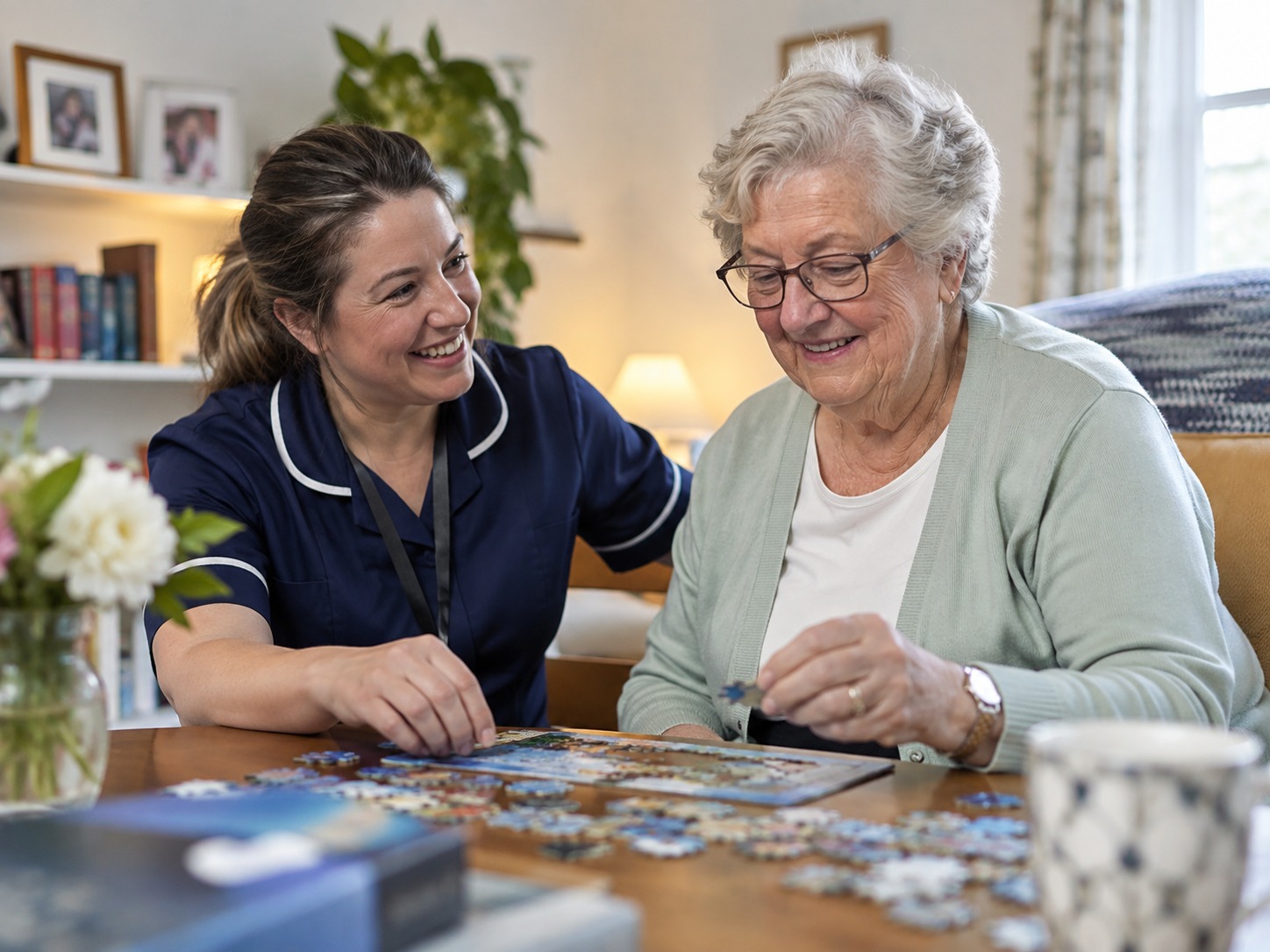
1.*Promotes Independence* – Learn how to build on a person’s strengths, abilities and existing support networks.
2.*Improves Person-Led Care* – Support individuals to have greater choice, control and involvement in decisions about their care.
3. *Strengthens Communication Skills* – Develop better strengths-based conversations, active listening and outcome-focused discussions.
4. *Supports Safer Positive Risk-Taking* – Understand how to balance independence, choice, dignity and safety appropriately.
5. *Improves Care Planning* – Learn how to identify meaningful goals, record strengths and contribute to more effective care and support plans.
Explore More Courses
Based on 411 reviews


I purchased the complete Care Certificate bundle from Learning Connect and found it very engaging, informative and easy to follow. The content is well structured, practical and clearly explained. It has improved my knowledge and confidence. Highly recommended.
The Mandatory Care Bundle was exactly what i needed to refresh my knowledge for work .i especially liked how the lessons focused on practical situations instead of making the training feel overly complicated. The modules were straightforward, useful and easy to complete around my schedule. A very helpful package for care staff.
Excellent CSCS training! The tutor explained everything very clearly and made the exam easy to understand. Practice questions were very helpful. I passed on my first attempt. Highly recommended!
Really good experience with them, staff is really good.
It’s my very good experience with learning connect.