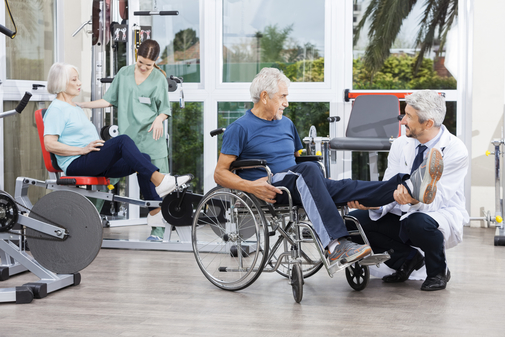
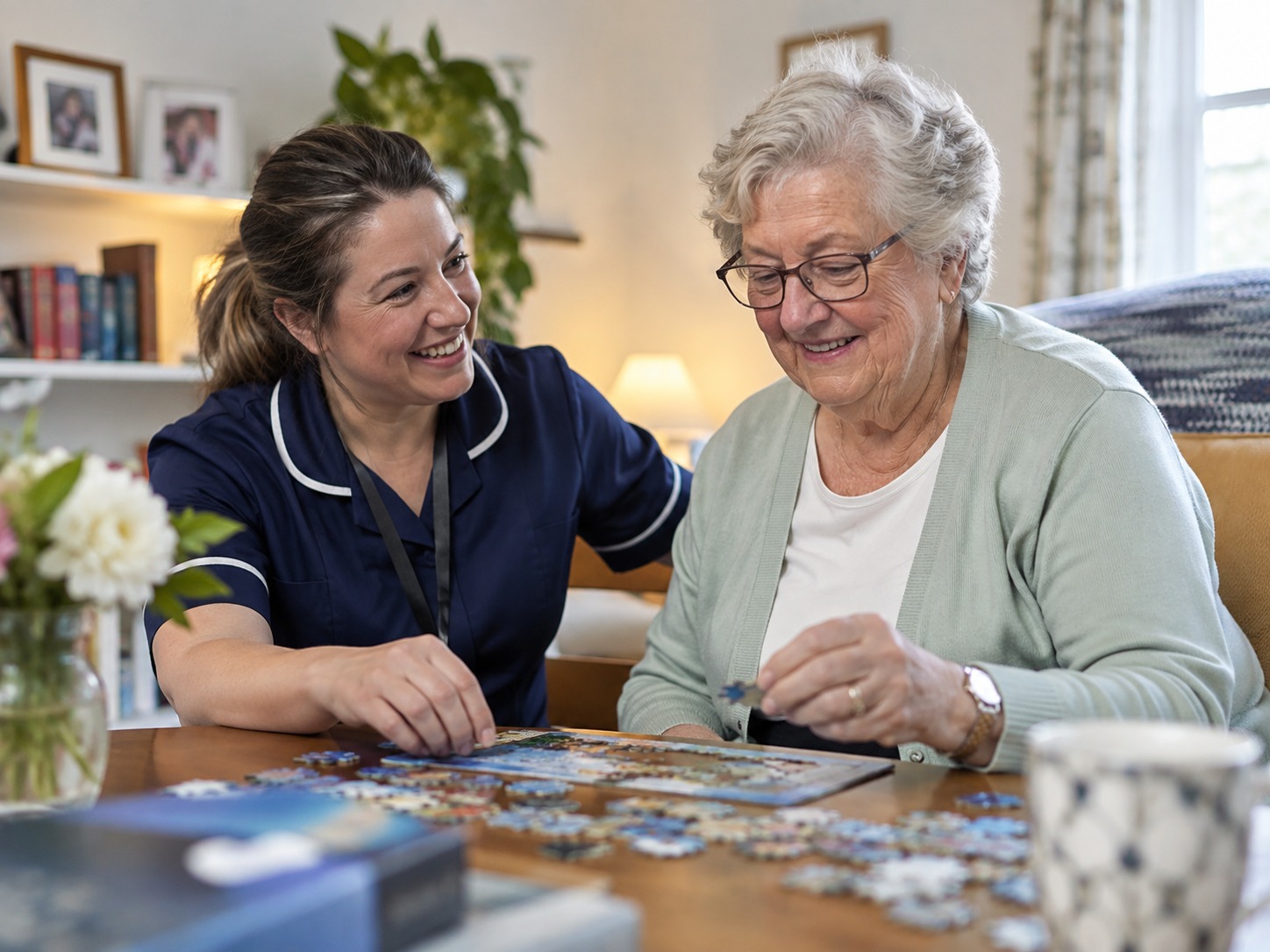
Reablement is different from simply doing tasks for someone. It focuses on working with the person, encouraging them to safely do as much as possible for themselves. Current Care Act statutory guidance describes reablement as support designed to help people regain skills and capabilities, reduce care needs and live more independently.
This online reablement training course helps learners understand person-centred goal setting, positive risk-taking, independence, mobility, daily living skills, communication, dignity and safe support within their professional role.
Reablement is a short-term, outcomes-focused approach that helps people maintain or regain the skills needed for everyday life. It may be provided following hospital discharge, illness, injury, a fall or a period of reduced independence.
NHS England describes intermediate care, including rehabilitation, reablement and recovery, as short-term community-based support that helps people recover and rebuild independence while reducing the need for longer-term health or social care.
Instead of automatically completing activities for a person, reablement asks:
Promoting independence can help people rebuild confidence, maintain mobility, participate in meaningful activities and retain greater control over their daily lives.
NICE guidance emphasises that reablement and intermediate care should be person-centred, integrated and focused on building independence and improving quality of life. NICE – Intermediate Care Including Reablement
The Reablement & Promoting Independence training explores the knowledge and practical principles needed to support safe, effective reablement.
Course topics include:
A central principle of promoting independence in care is avoiding unnecessary dependence.
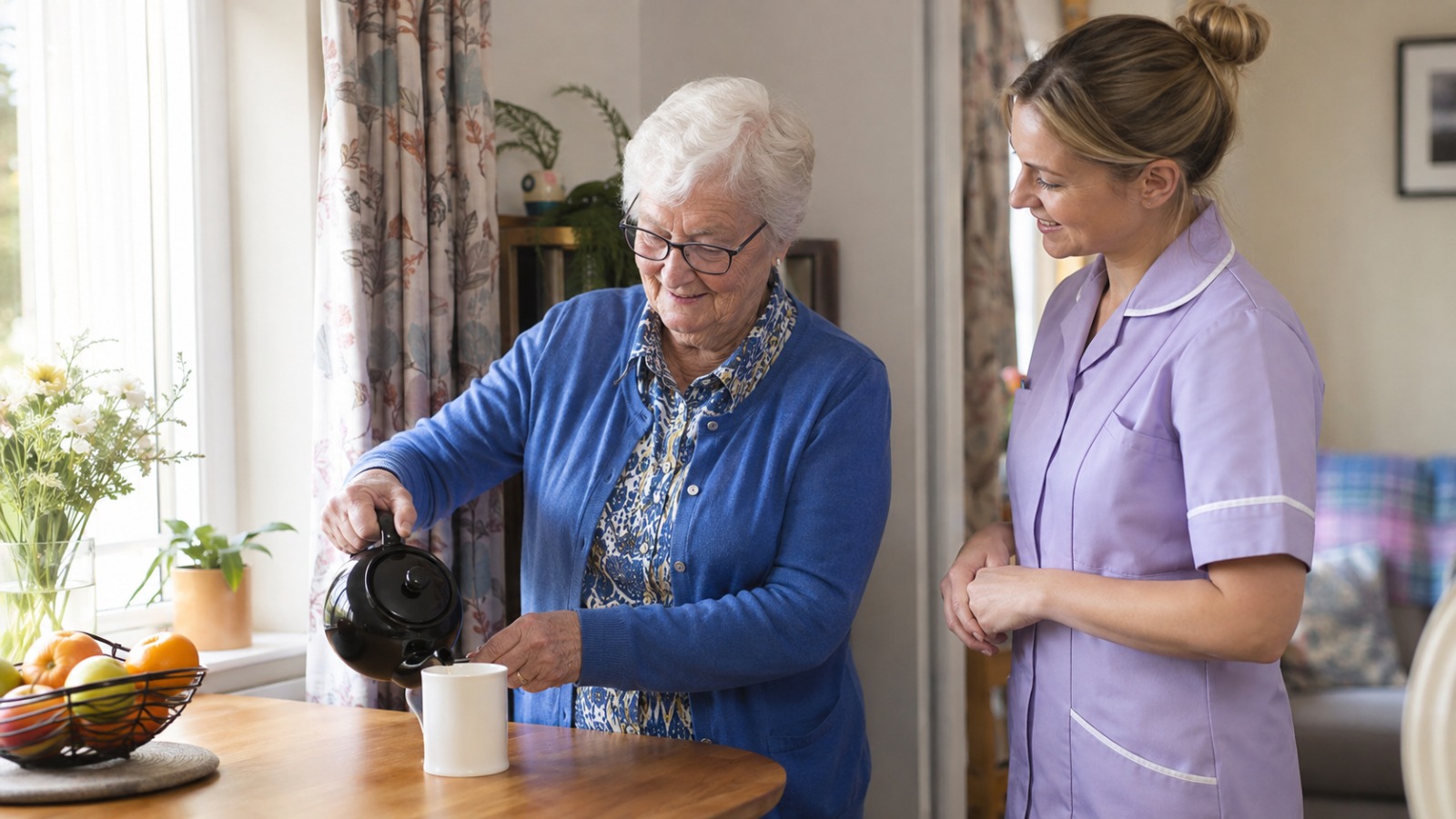
For example, if a person can prepare part of their breakfast safely but needs help with one stage, appropriate reablement may involve supporting only that stage rather than preparing the entire meal for them.
The aim is to enable, encourage and support, while recognising when assistance is genuinely required.
After completing this Reablement Course, learners should be able to:
This online reablement course is suitable for people involved in supporting adults to recover, regain abilities or maintain independence, including:
It can also benefit supervisors and managers who need a stronger understanding of strengths-based care, goal setting and independence-focused support.
The Care Act framework places strong emphasis on wellbeing, prevention and helping people retain or regain skills and confidence rather than waiting until needs reach crisis point.
NHS England also promotes a Home First approach, supporting recovery at home wherever appropriate and using rehabilitation, reablement and recovery services to improve independence following discharge.
This course provides reablement awareness training and does not replace individual assessment, professional clinical advice or competency-based workplace training.
Learners should always follow their organisation's policies, individual care plans, risk assessments, moving and handling procedures and current UK guidance.
Reablement is a short-term, person-centred approach that helps people regain skills, confidence and independence after illness, injury, hospital discharge or a change in their care needs.
The main aim of reablement is to help people safely do more for themselves, maintain independence and reduce unnecessary long-term dependence on care and support.
Traditional care may involve completing tasks for someone. Reablement focuses on supporting the person to participate, practise skills and gradually complete more activities independently wherever it is safe to do so.
Reablement can benefit people recovering after illness, injury, a fall or hospital admission, as well as adults whose mobility, confidence or ability to manage everyday activities has recently reduced.
Reablement is generally short-term and goal-focused. The exact duration depends on the person's needs, progress and local service arrangements, with regular reviews used to determine whether ongoing support is required.
Promoting independence means supporting a person to make choices, participate in daily activities and use their existing abilities rather than automatically doing tasks for them.
Learners develop knowledge of person-centred goal setting, strengths-based support, positive risk-taking, mobility, daily living skills, communication, recording progress and recognising when changing needs should be escalated.
There is no universal requirement for every UK care worker to complete a standalone Reablement course. Employers should provide training appropriate to the worker's role, responsibilities and the needs of people they support.
1. Promotes independence: Helps staff support people to do more for themselves safely and confidently.
2. Builds person-centred skills: Encourages goal setting based on individual strengths, choices and abilities.
3. Supports recovery: Improves understanding of reablement after illness, injury, falls or hospital discharge.
4. Improves risk management: Helps staff balance safety with positive risk-taking and everyday independence.
5. Strengthens care quality: Supports better communication, progress monitoring, dignity and effective recovery-focused care.
Explore More Courses