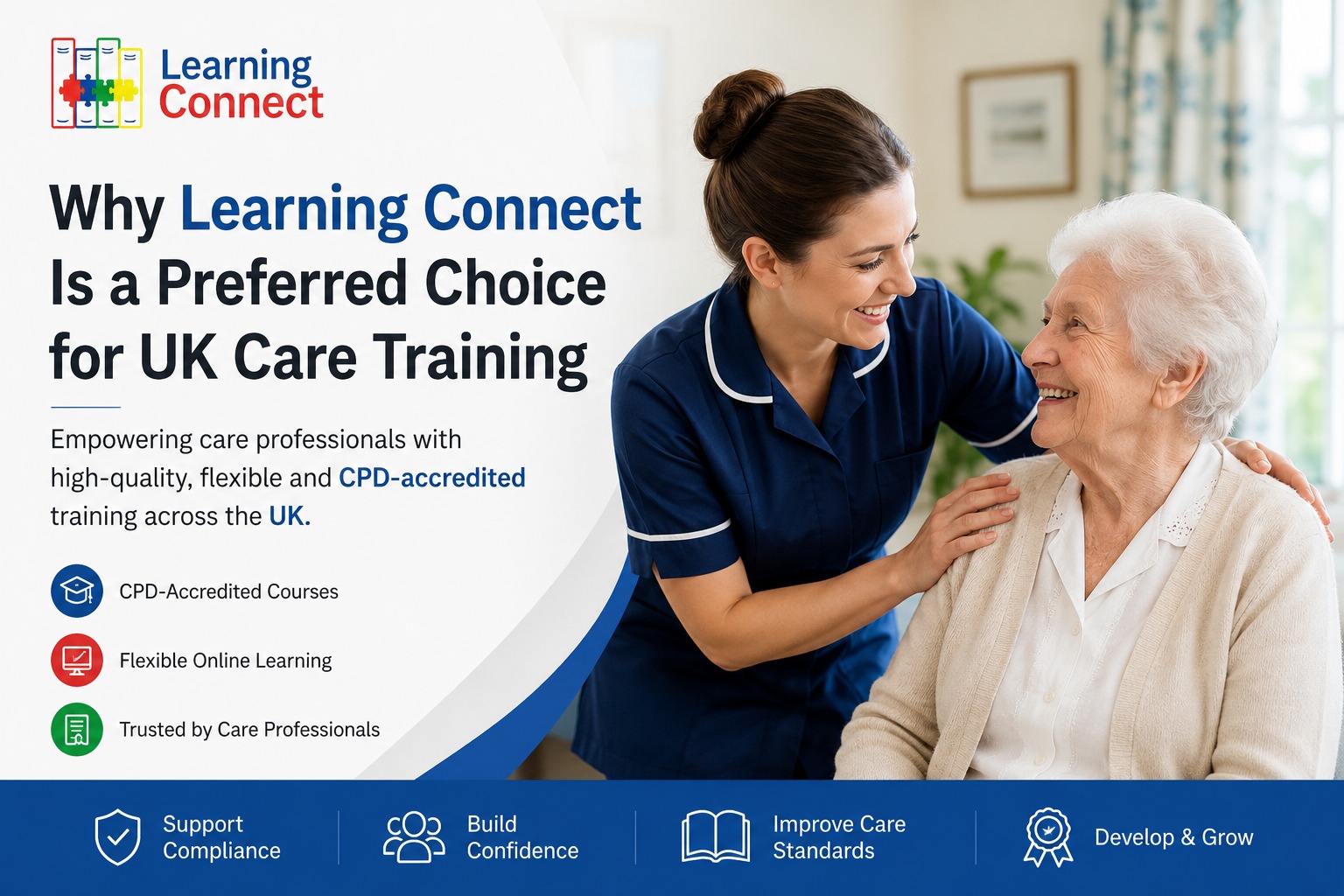
Online vs In-Person Training for Care Qualifications: Evaluating the Best Option for Your Career Path

Choosing between online training and in-person training for care qualifications is an important decision for anyone working in health and social care. With increasing demand for qualified care staff across the UK, professionals must select training that meets regulatory requirements while fitting their personal and professional commitments.
This guide compares online care training and face-to-face care training to help you determine the best option for your career path.
Understanding Care Qualifications in Health and Social Care
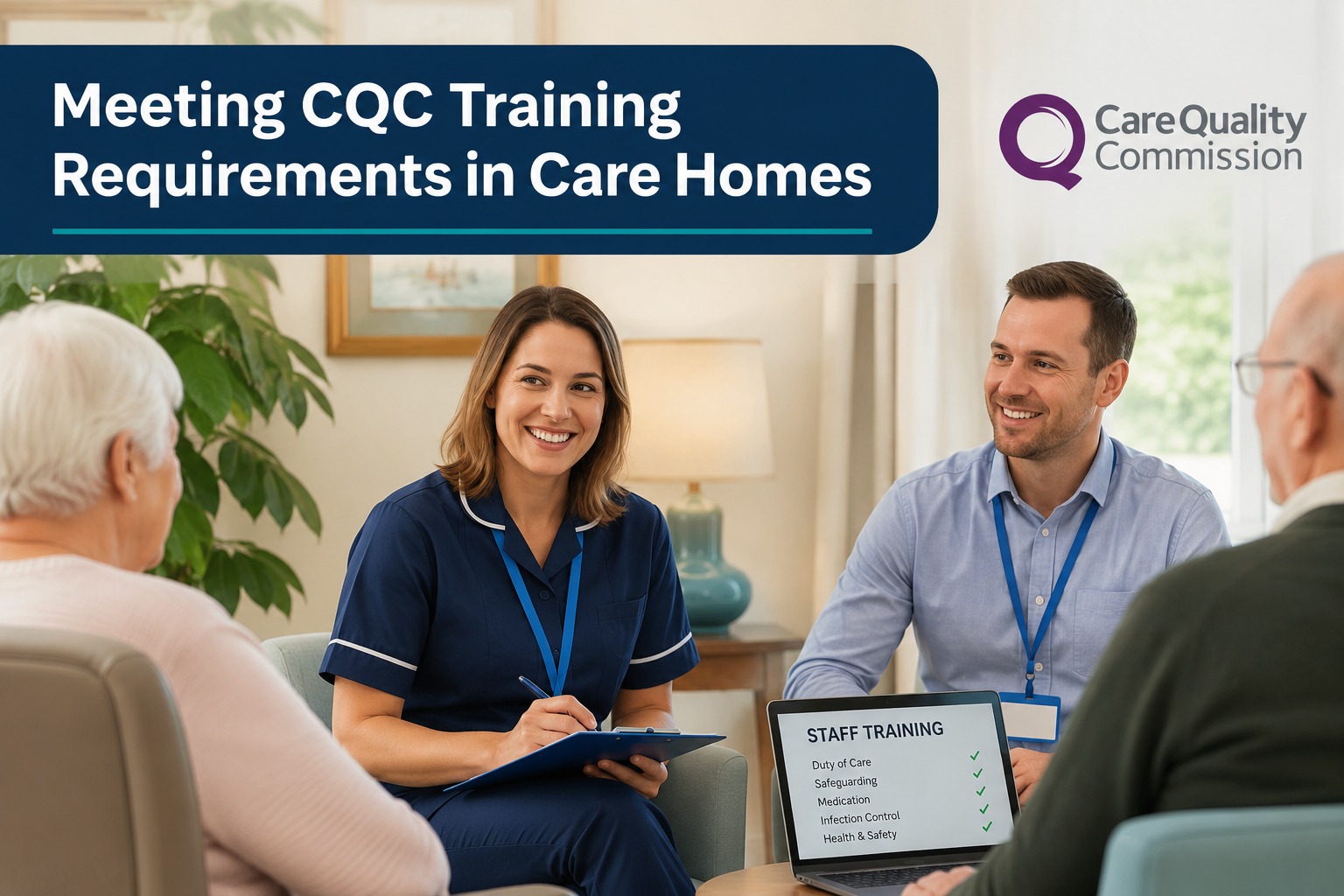
Care qualifications, such as the Care Certificate, safeguarding training, and medication awareness courses, are essential for meeting CQC expectations and delivering safe, effective care. Employers expect staff to complete recognised training that demonstrates competence, compliance, and ongoing professional development.
Both online care courses and in-person care training can lead to recognised qualifications when delivered by an accredited provider.
Online Training for Care Qualifications
Benefits of Online Care Training
Online care training has become one of the most popular learning methods in the UK care sector. Courses are typically self-paced, allowing learners to complete training around work shifts and personal responsibilities.
Key benefits include:
- Flexible learning anytime, anywhere
- Immediate access to course materials
- Cost-effective compared to classroom training
- Ideal for large teams and staff induction
Many learners choose online Care Certificate training because it supports faster onboarding and consistent learning outcomes.
Who Is Online Training Best For?
Online training is ideal for:
- Care assistants and support workers
- New starters completing mandatory training
- Experienced staff refreshing knowledge
- Employers managing multiple learners
For theory-based subjects such as safeguarding, infection control, dementia awareness, and Care Certificate standards, online learning is highly effective.
In-Person Training for Care Qualifications
Benefits of Face-to-Face Care Training
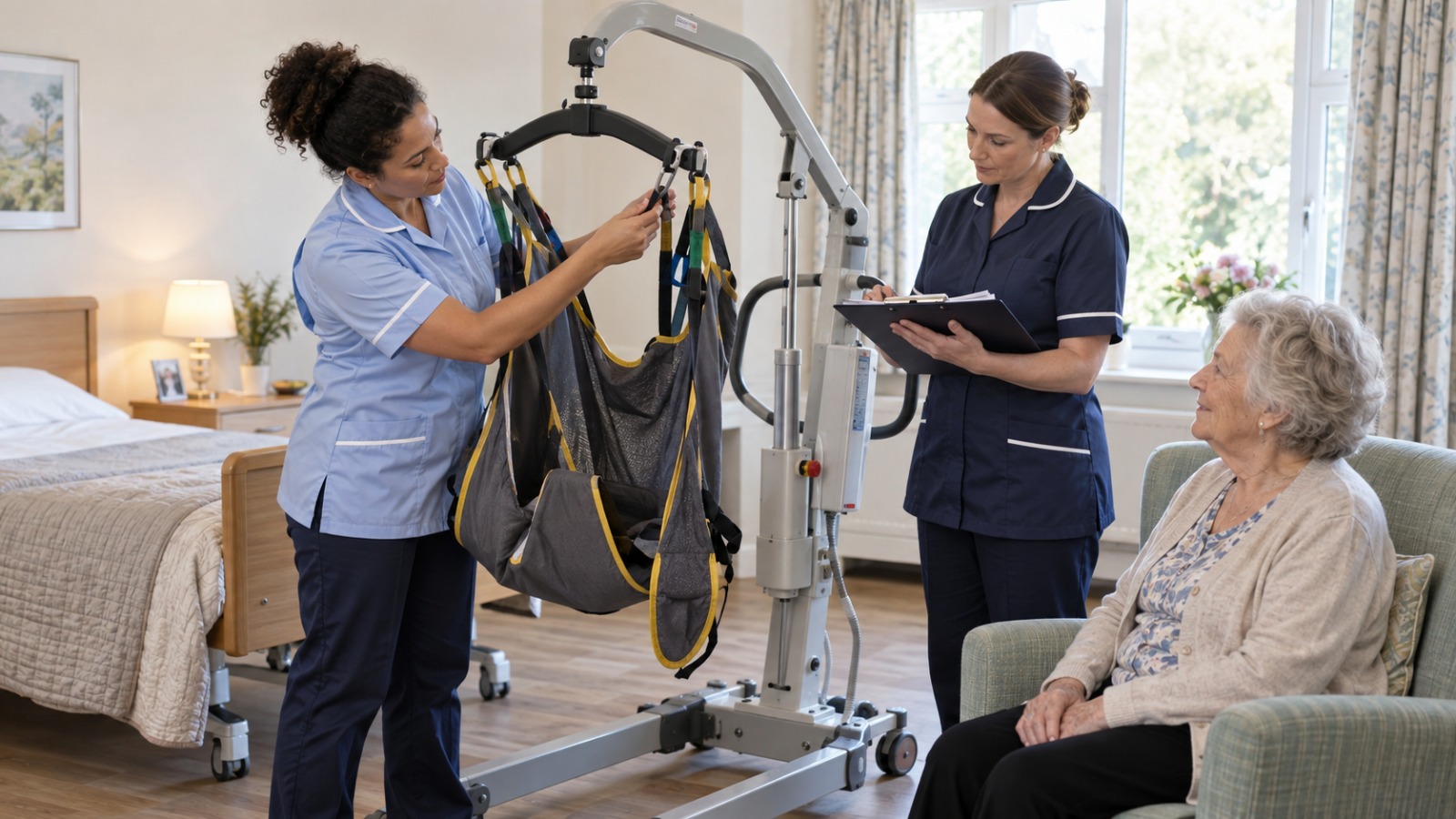
In-person care training provides hands-on learning and direct interaction with an instructor. This approach is particularly valuable for practical skills and confidence-building.
Key advantages include:
- Practical demonstrations and assessments
- Real-time feedback from trainers
- Increased engagement for some learners
- Suitable for skills-based courses
Courses such as first aid, moving and handling, and medication administration often benefit from face-to-face delivery.
Who Should Choose In-Person Training?
In-person training is well suited for:
- Learners who prefer classroom environments
- Courses requiring physical practice
- Teams needing tailored, on-site training
- Organisations with specific operational needs
Online vs In-Person Care Training – Key Differences
When comparing online vs in-person training for care qualifications, consider the following factors:
- Flexibility: Online training offers greater flexibility, while in-person training follows fixed schedules.
- Cost: Online courses are generally more affordable.
- Learning Style: Some learners prefer self-paced study, others benefit from face-to-face interaction.
- Practical Requirements: Certain qualifications require in-person assessment.
Both options can meet compliance requirements when delivered by a trusted provider.
Which Option Is Best for Your Career Path?
The best choice depends on your role, learning preferences, and career goals. Many care professionals benefit from a blended approach, combining online theory with in-person practical training.
Choosing a reputable provider that offers CPD-accredited online and face-to-face care training ensures your qualification is recognised and supports long-term career progression.
Final Thoughts
Whether you choose online or in-person training for care qualifications, the most important factor is quality. Accredited training helps improve confidence, competence, and care standards while supporting compliance and professional growth.