The Significance of Martyn’s Law in Modern Healthcare
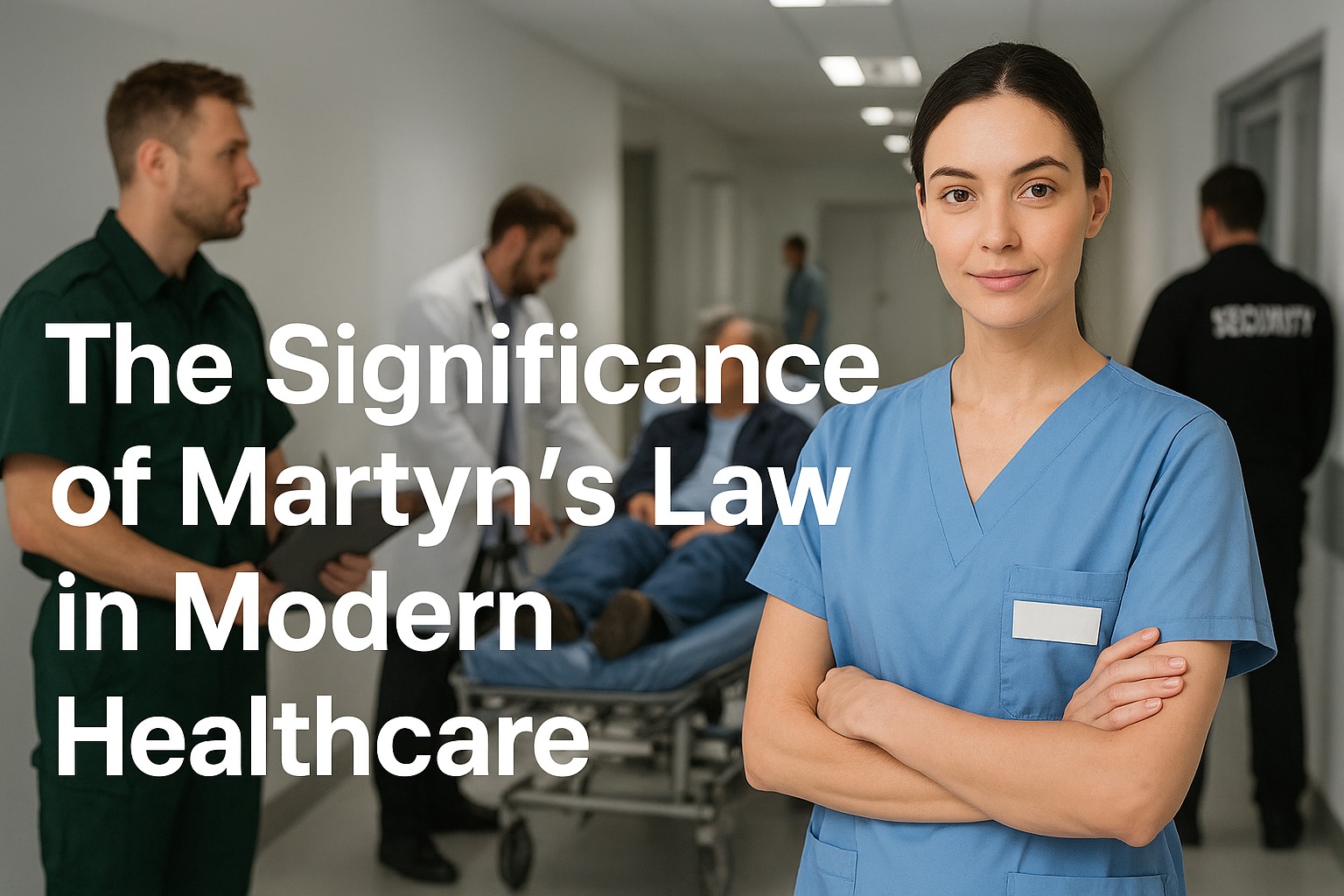
In today’s ever-changing risk landscape, the passage of Terrorism (Protection of Premises) Act 2025 — more commonly known as Martyn’s Law — marks a momentous shift for publicly accessible venues, and particularly for the healthcare sector. Originally born from the tragic death of Martyn Hett in the 2017 Manchester Arena attack, Martyn’s Law introduces a clear legal duty on premise-owners to implement counter-terrorism and emergency preparedness measures.
Why it matters for hospitals and care settings
For healthcare organisations, compliance with Martyn’s Law is more than ticking a regulatory box — it’s about safeguarding patients, staff and visitors in spaces that are complex, high-traffic and inherently open to public access. According to legal commentary, the legislation is expected to apply to bodies responsible for healthcare premises when certain attendance thresholds are met.
These settings, such as hospital campuses, outpatient clinics or emergency departments, often host hundreds of people, making them subject to the “qualifying premises” definition under the legislation.
Key obligations and their impact
Martyn’s Law introduces several core obligations: carrying out terrorism and risk assessments, drafting and maintaining security and emergency response plans, appointing a responsible person, and training staff in preparedness.
In healthcare settings, this means that estates teams, clinical leadership and operations managers must collaborate to embed a culture of resilience. From evacuation and lockdown procedures to coordinating with local authorities and emergency services, the legislation raises the bar for what healthcare safety looks like.
Emergency readiness meets everyday care
One of the most significant implications of Martyn’s Law for healthcare is the integration of emergency preparedness into the fabric of daily care delivery. Where once first-aid provisioning or building security might have been handled in isolation, the new regime encourages holistic planning: how does a care unit respond not just to a medical emergency but to a wider safety event?
For example, a trauma or mass casualty incident might require bleed-control kits, rapid communications, and coordinated evacuations — elements now clearly referenced in guidance on compliance.
Building a culture of preparedness
Training and awareness are critical. It’s not enough to have policies sitting on a shelf; staff across all roles must understand their part in readiness. A recent article emphasises that learning is a bridge between knowing the law and being ready for it.
For healthcare organisations this means embedding scenario-based exercises, supporting shift-based and part-time staff, and ensuring that emergency plans are meaningful, not just procedural. Investing in e-learning or blended formats helps make preparedness accessible and sustainable.
Balancing openness with protection
Healthcare settings face a unique challenge: they must remain accessible for patient care, family visitation and emergency access — yet also protect against broader threats. Martyn’s Law does not call for fortress-like facilities; rather, it emphasises “reasonable and proportionate” measures tailored to each venue.
For example, a hospital with a café, pharmacies and other public-facing services must consider the campus as a whole when assessing capacity and risk.
Why acting now matters
Although the legislation has arrived, readiness remains uneven across sectors. Healthcare providers who begin preparation now — reviewing risk profiles, auditing infrastructural security, arranging staff awareness-sessions — will not only meet legal obligations but build confidence among patients and staff alike.
Failure to comply has real consequences: regulatory sanctions, reputational damage, and worst of all, compromised safety.
Conclusion
Martyn’s Law represents a pivotal evolution in how healthcare organisations think about safety and security. It’s not simply another regulation — it compels care providers to unify emergency preparedness, staff training, building management and public access into one coherent safety strategy. By embracing this shift, hospitals and care settings can demonstrate a duty of care that extends beyond clinical outcomes, safeguarding lives in every scenario.
In the modern healthcare environment, where complexity and public expectation are rising, Martyn’s Law offers the roadmap for resilience. Preparing now means patients, visitors and staff alike benefit from a safer, more secure experience — because prevention, readiness and protection matter.